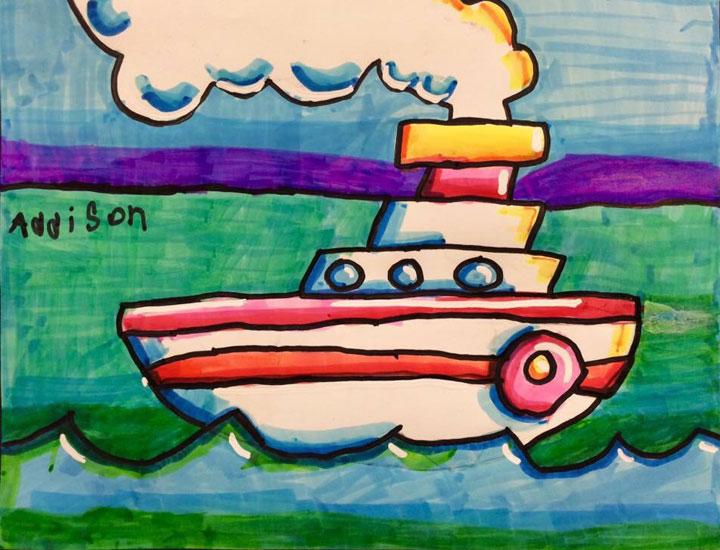
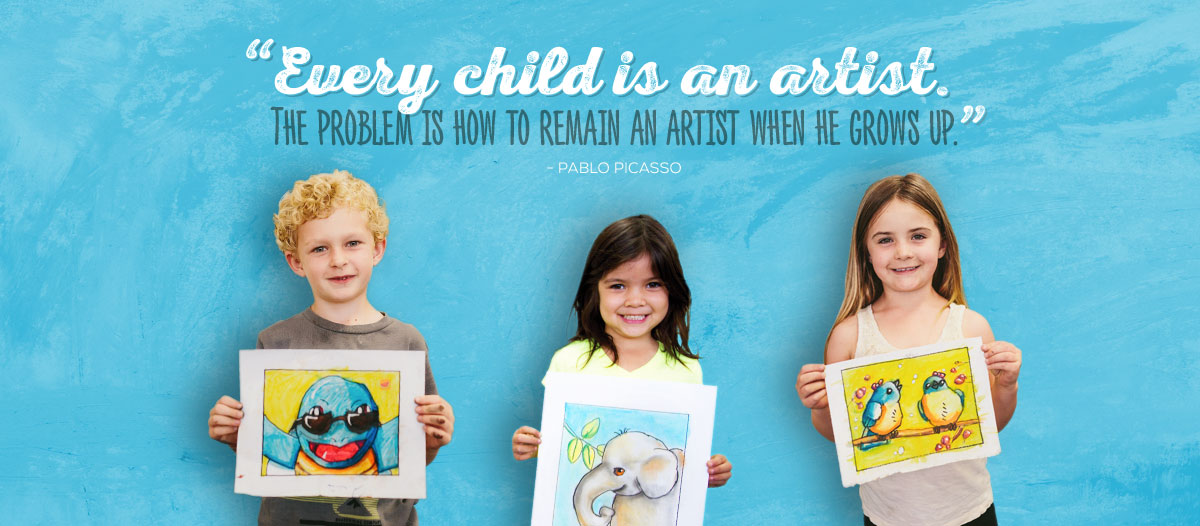
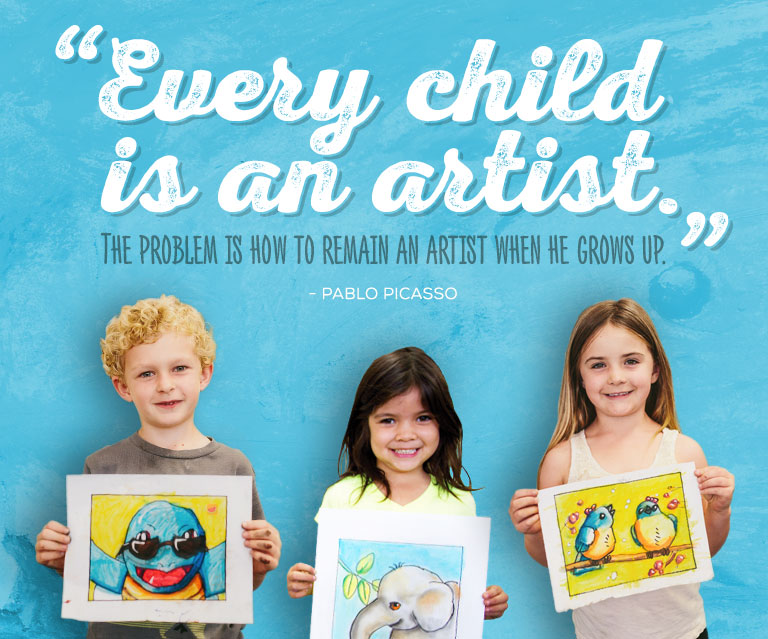
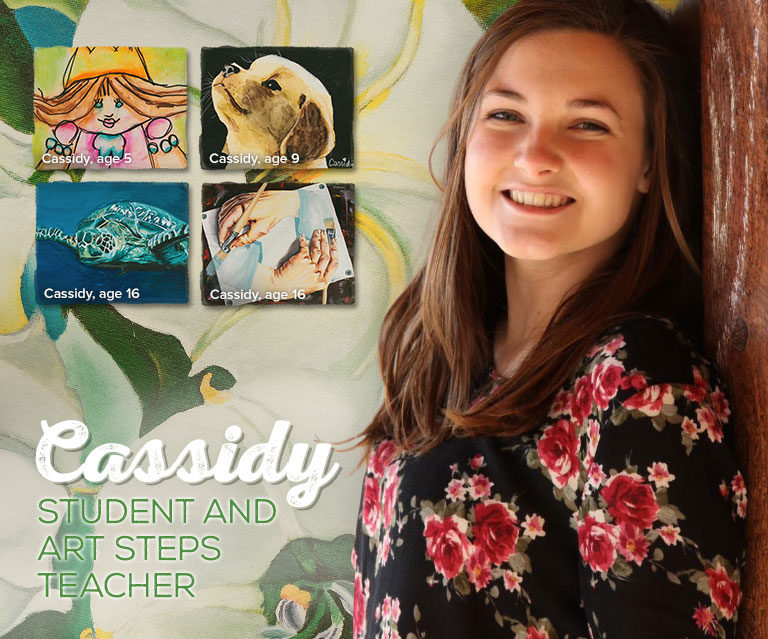
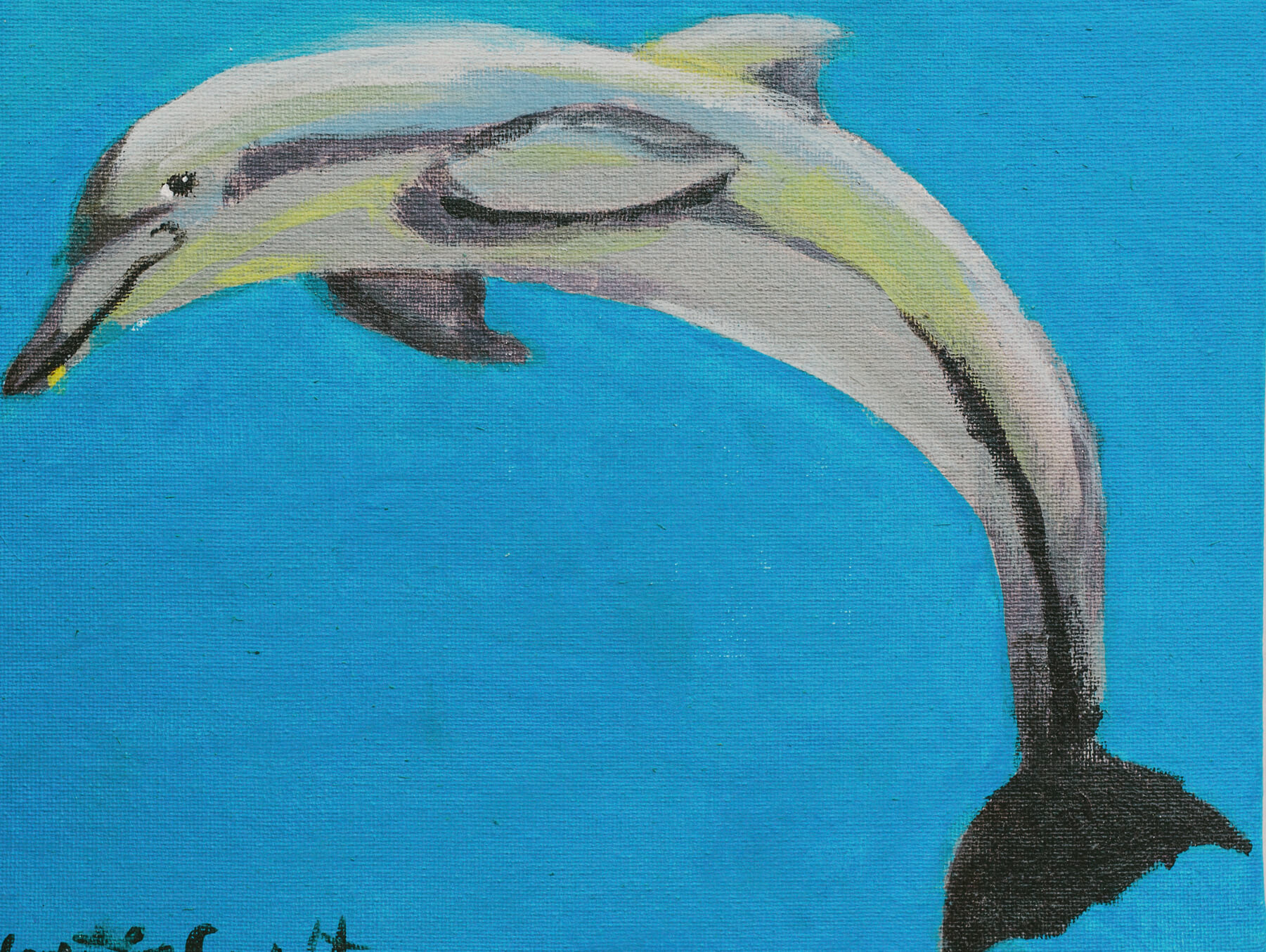
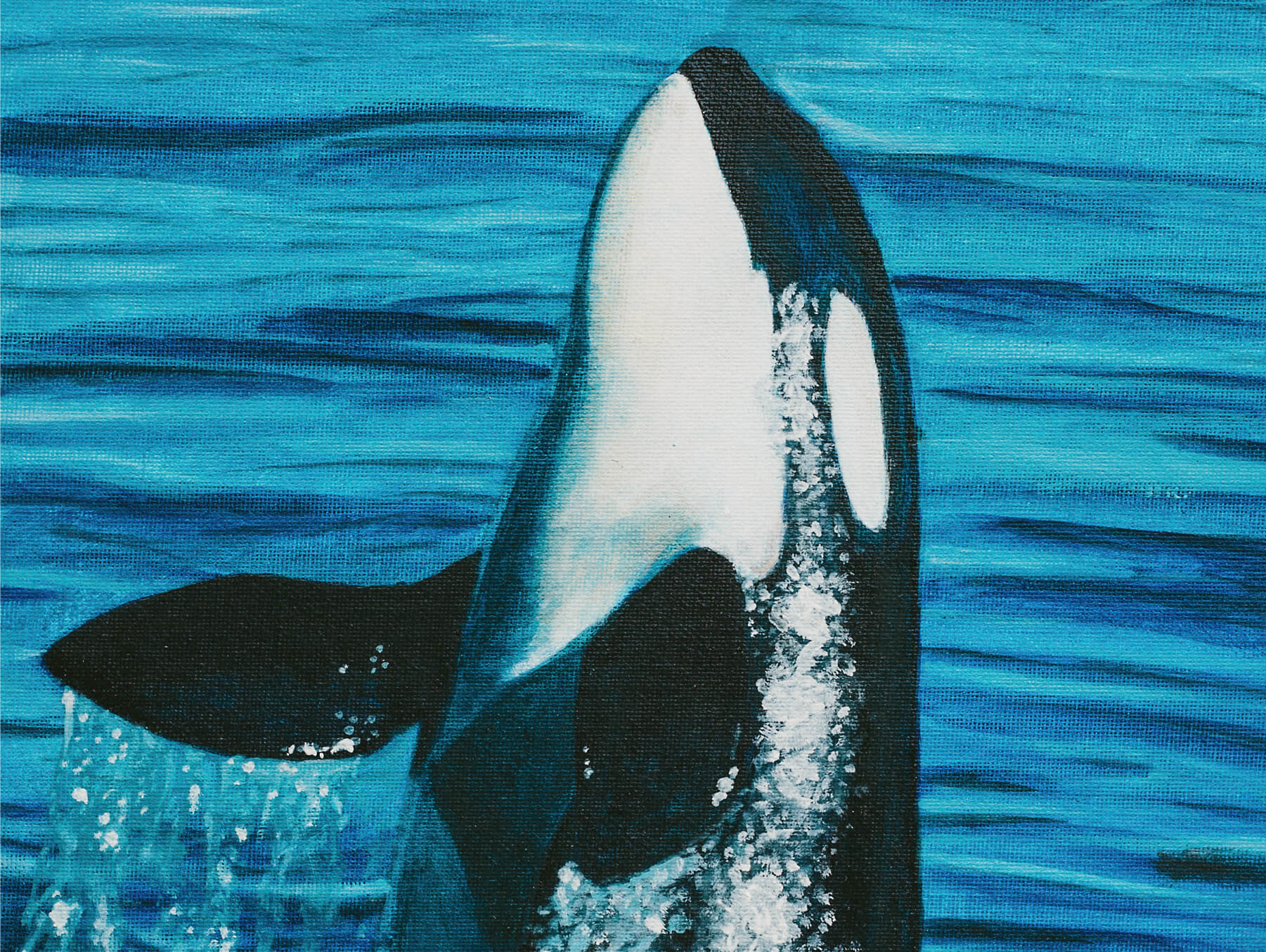
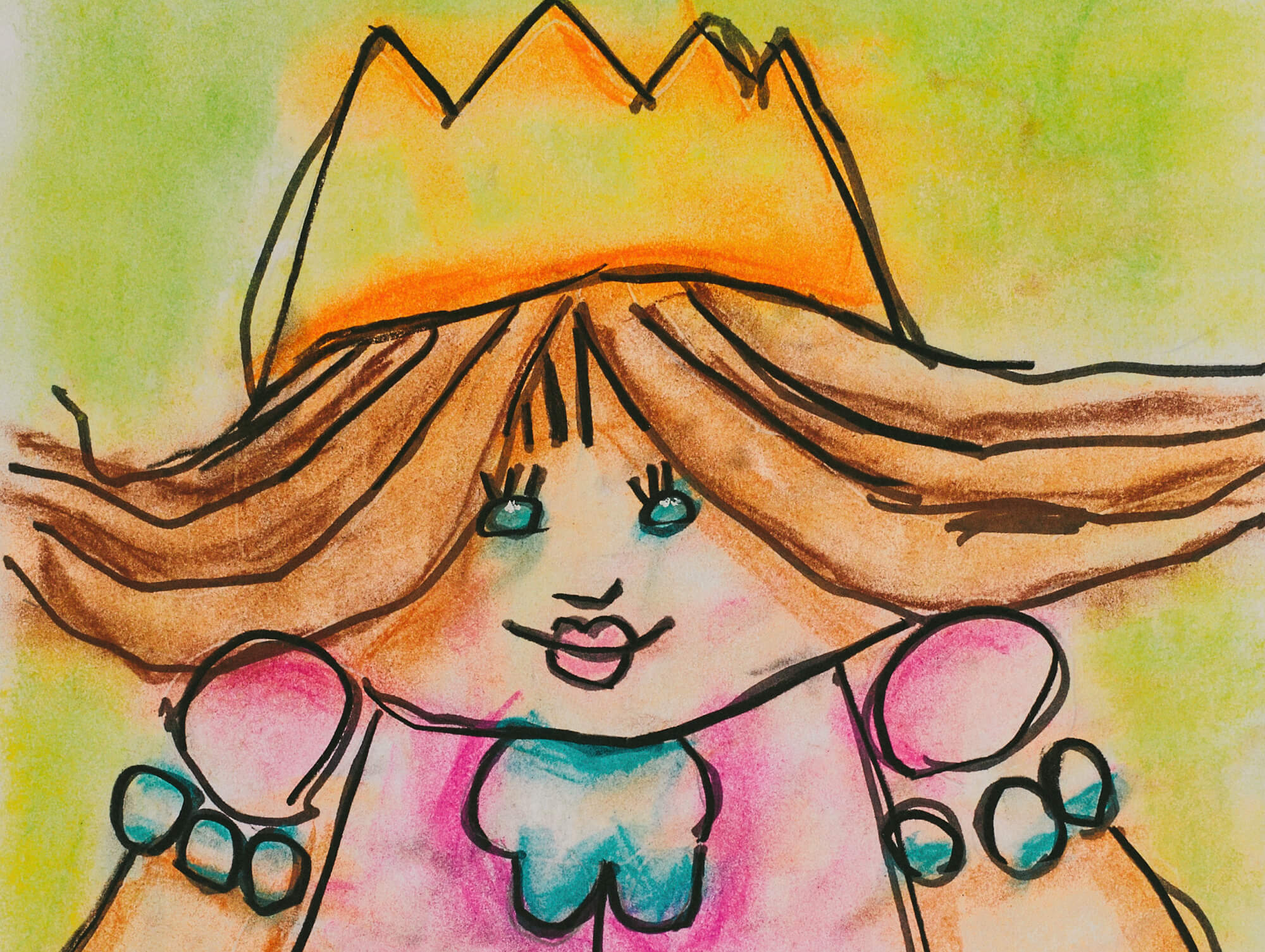
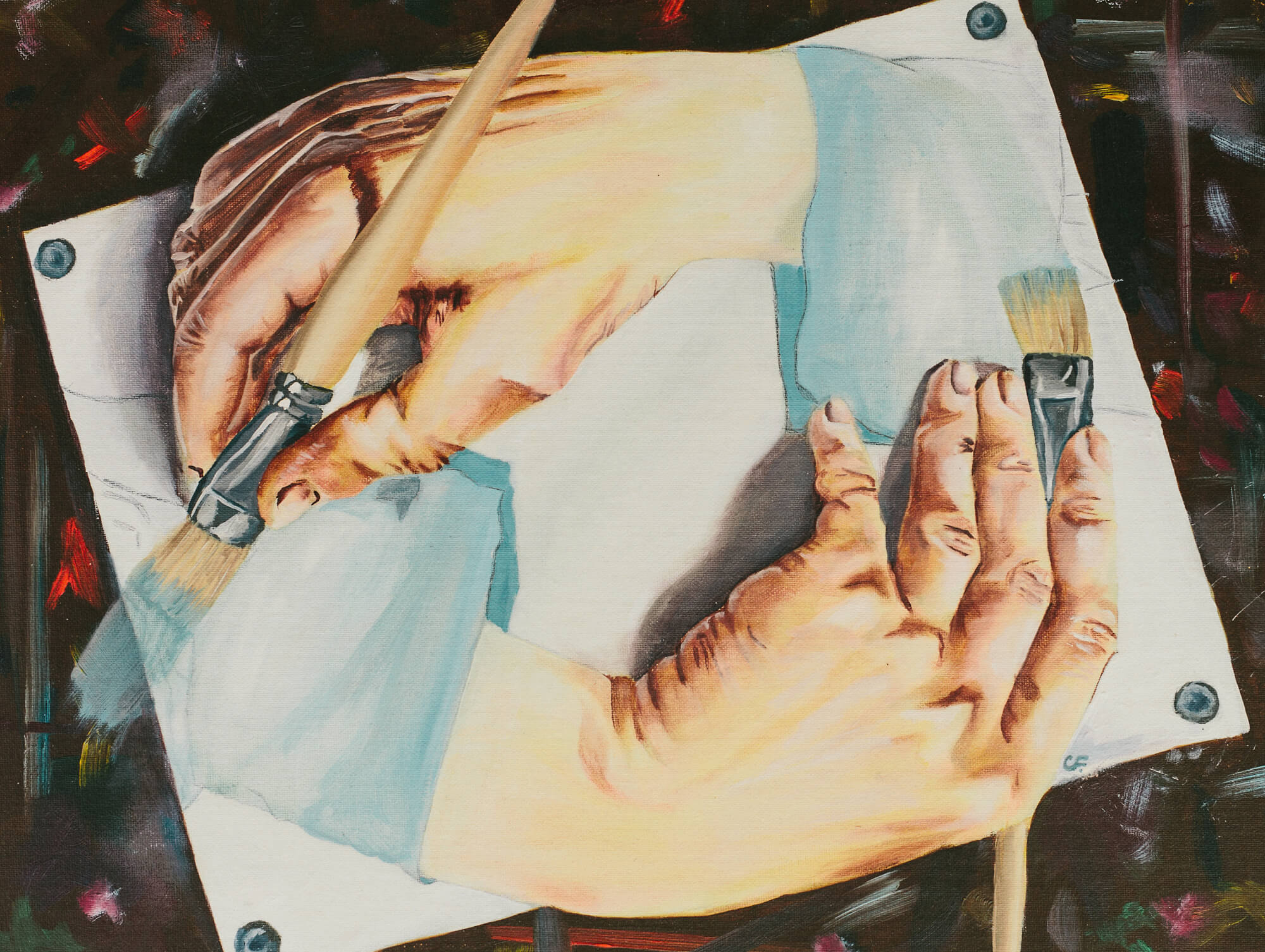
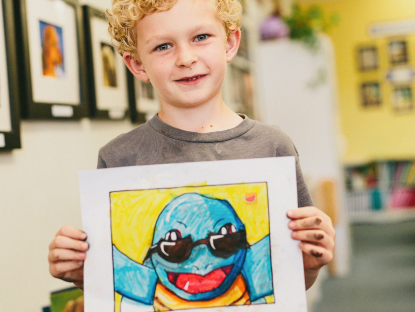
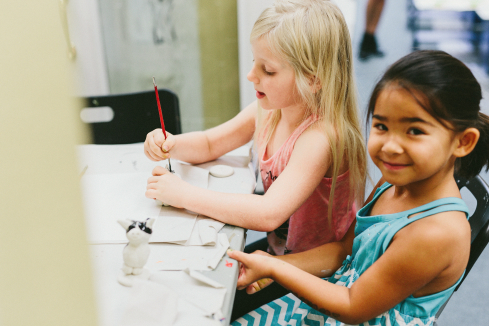
Developmentally, the majority of young children have a psychological need to engage in “symbolic drawing” which involves self-expressive symbols for objects. It is important for their mental health as well as their future creativity that they be encouraged in this activity. The natural desire to render something accurately and independently typically does not form until between 9 and 11 years old. At this point, through middle school, art students desire to flex their art muscles, demonstrating ever-higher rendering skills for all to see. Exhibition of skill can become more important to the artist than subject matter. Students who have had previous instruction in rendering up to this point will begin to utilize independently, and relish the advantages of the wealth of tools they possess. Picasso said, “Every child is an artist. The problem is how to remain one when he grows up.” As fine artists ourselves, we at Art Steps know that we became skillful, expressive artists through encouragement when we were young, coupled with a tangible sense that our skills were growing throughout childhood/early adolescence. We love passing that true artistic empowerment to our students every day.
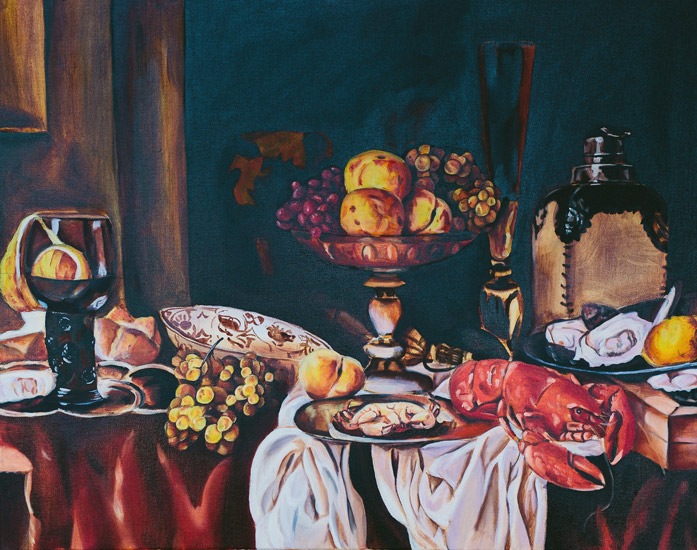
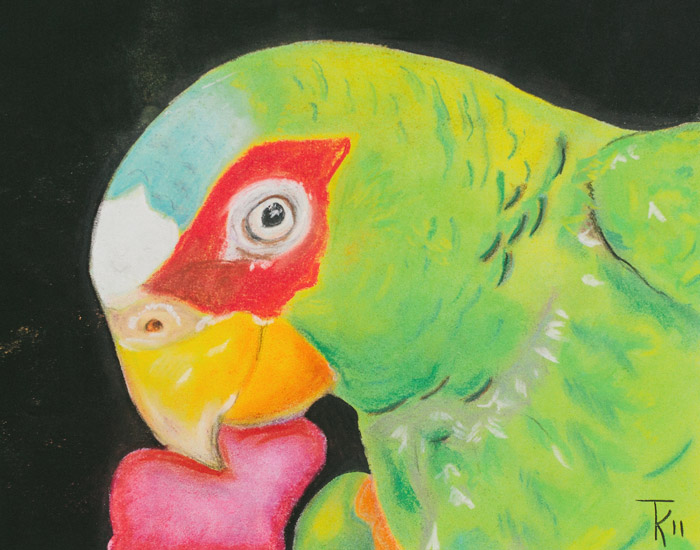
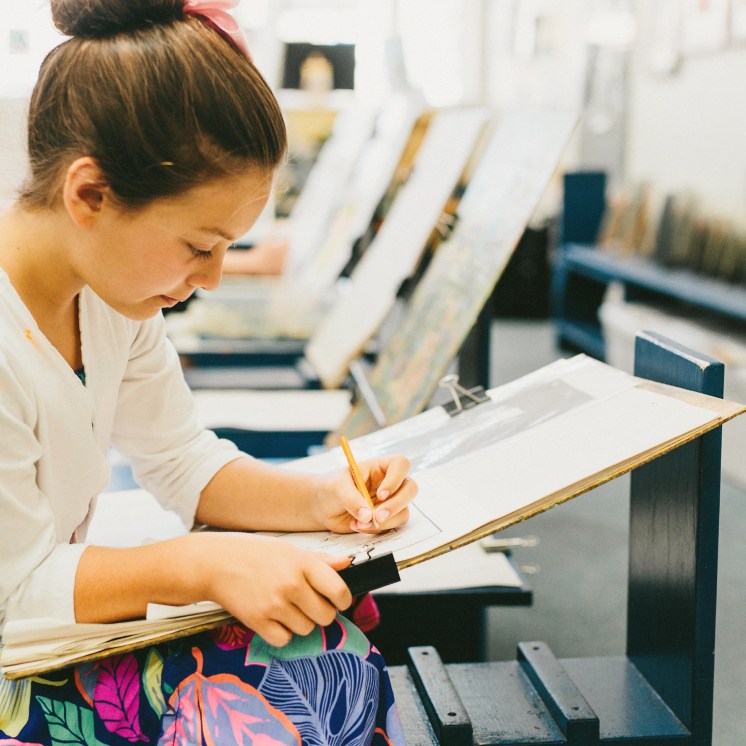
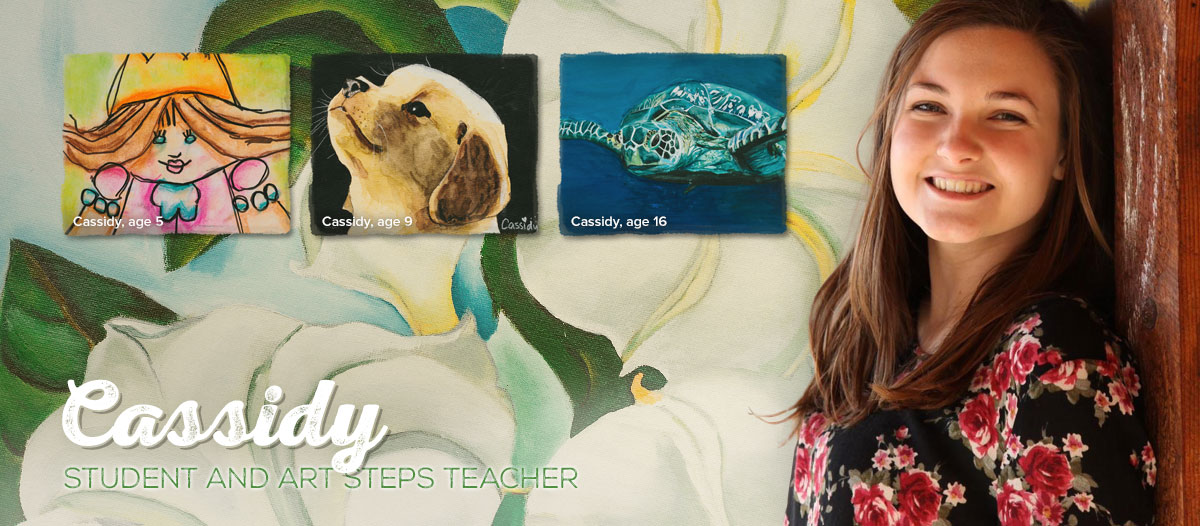
In our program, students in A, B, C or D books are aiming to be able to render in pencil, independently with little or no teacher instruction by the end of the D books. Still using Art Steps’s four-step breakdowns, they begin realism, and begin a process of breaking down imagery into shapes for themselves. By the time students become full-fledged oil painters, at the end of book RIIIC, they can draw, paint, and start classical or photo realistic copies accurately and independently.